
 1 month ago
61
1 month ago
61

Recipe Highlights
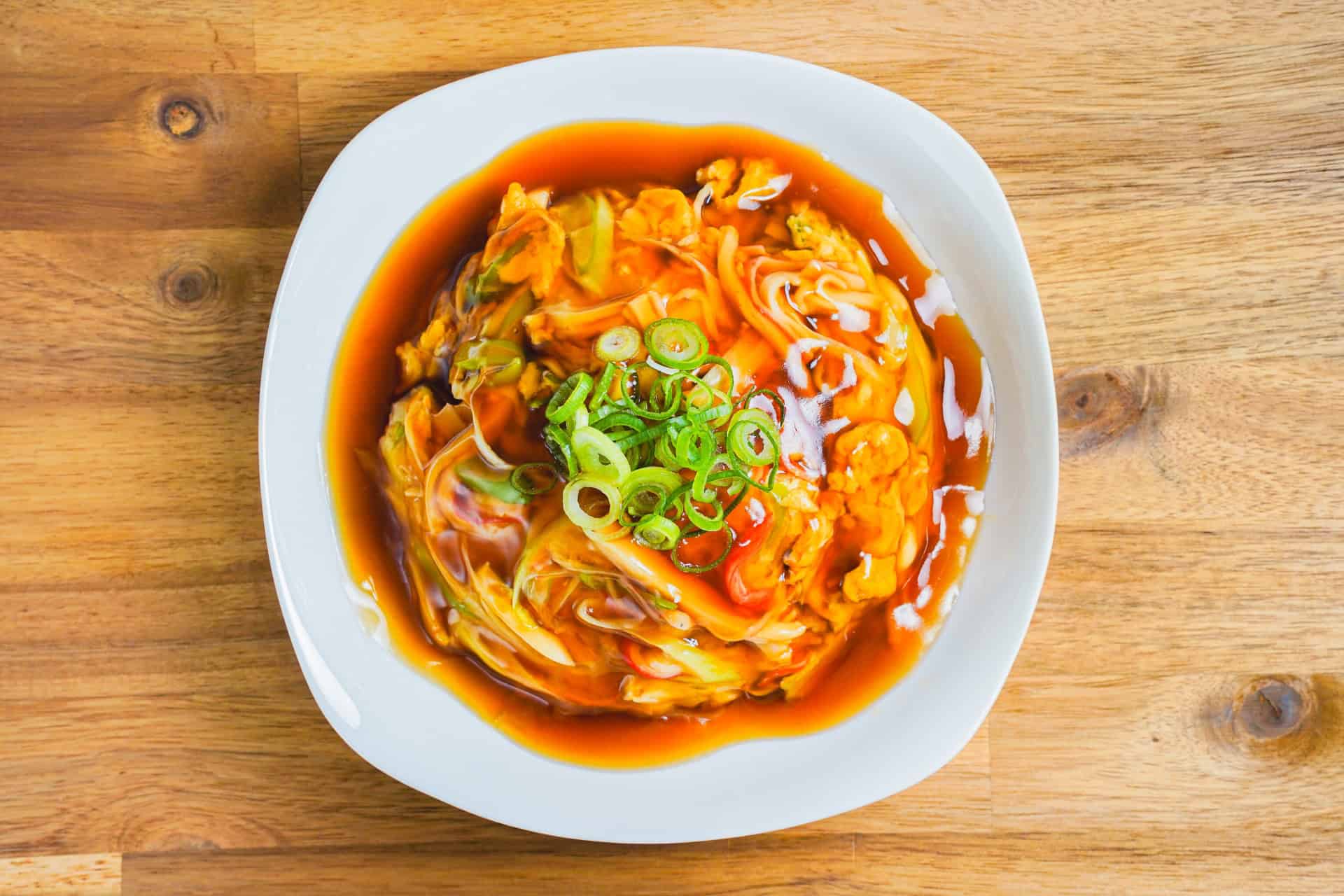
I use a cornstarch slurry almost every time I make a Chinese-style stir-fry, soup, or ankake sauce—it helps retain heat and lock in flavors. That signature smooth, velvety sauce you see in dishes like Mapo Tofu? That’s the slurry at work.
In this guide for How to Thicken Sauce and Soup, I’ll walk you through how easy it is to make this thickener using my tips and methods.
Here’s why I keep coming back to this recipe:
- Ready in 3 minutes with pantry staples
- Works for sauces, soups, and stir-fries
- Includes tips to avoid lumps and adjust when the sauce is too thick or too thin
If you love Chinese-style Japanese dishes, try my Sara Udon (Crispy Noodles with Seafood), Easy Japanese Egg Drop Soup, and Japanese Tofu Steak with Mushroom Ankake Sauce next!
Table of Contents
What is Cornstarch Slurry?
Cornstarch slurry is a staple thickening agent in Chinese cuisine and widely used in Japanese cooking in dishes called chūka ryōri (中華料理)—the Chinese-influenced foods that have become a beloved part of Japanese home cooking.
In Japan, the traditional thickener is katakuriko (片栗粉), or potato starch. It produces a thick, clear, glossy finish that’s prized in Japanese cuisine for its elegant appearance.
At Just One Cookbook, we follow the Japanese household tradition of using potato starch as the primary thickening agent—which is why you’ll see “potato starch or cornstarch” in our recipes.
That said, cornstarch is a great substitute and much easier to find in the US. It gives a slightly matte, cloudy finish, but works beautifully in most recipes.
Potato Starch vs. Cornstarch: Key Differences
While both work as thickeners, there are a few important differences to keep in mind:
| Finish | Glossy | Slightly matte |
| Transparency | High (very clear) | Slightly cloudy |
| Thickening power | Strong | About half as strong |
Heat and Cooling
- Potato starch: Can weep and lose its texture once cooled
- Cornstarch: Holds its consistency better after cooling, but can thin out if overcooked. Stop cooking within 5 minutes of adding the slurry.
Best Uses
- Potato starch: Japanese and Chinese-style stir-fries, ankake sauces, karaage coating
- Cornstarch: Cream sauces, gravies, custard creams, and pie and cake fillings

Ingredients for Cornstarch Slurry
- potato starch or cornstarch (JOC recipes use potato starch, unless noted)
- water – room temperature or cold (do not use warm or hot water)
Find the printable recipe with measurements below.
Jump to RecipeHow to Thicken Sauce and Soup
- Combine starch and water. Add potato starch or cornstarch to a small bowl, pour in cold or room-temperature water, and whisk until completely smooth with no lumps.
- Reduce heat and add the slurry. Reduce the heat to medium just before the sauce comes to a simmer. Re-whisk the slurry and drizzle it slowly into the pot while whisking continuously. Add a little at a time and check the consistency before adding more.
- Stir until smooth. Stir constantly with a spatula or ladle. Once the sauce or soup looks smooth and nearly reaches your desired thickness, remove from the heat. It will continue to thicken with residual heat.


Nami’s Recipe Tips
Keep these tips in mind for the best results.
- Use the right ratio – Beginners, start with a 1-to-2 ratio of starch to water (1 part starch, 2 parts water)—it takes longer to thicken but gives you more control. Seasoned cooks can use a 1-to-1 ratio for faster results.
- Use cold or room-temperature water – Hot water activates the starch immediately and causes clumps. Always start cold.
- Re-mix and add gradually – Starch settles, so re-whisk just before pouring. Drizzle slowly into the pot and check the consistency before adding more.
- Stir constantly – Use a spatula or ladle and stir the soup or sauce thoroughly to incorporate the slurry evenly.
- Watch the consistency – The soup or sauce keeps thickening after you remove it from the heat, so stop early. Too thin: Make a fresh slurry and add gradually. Too thick: Stir in water a little at a time.
Variations
A few easy swaps to suit your taste or pantry.
- Dashi as the liquid. Swap water for dashi (Japanese stock) to add more flavor depth to the sauce.
- Chicken stock. A common base for many Chinese-style dishes.
- Arrowroot. Use slightly less than a 1-to-1 ratio when substituting for potato starch or cornstarch. Produces a clear, glossy finish—similar to potato starch. Avoid using with dairy-based sauces.
- Tapioca starch. Use a 2-to-1 ratio when substituting for cornstarch, or a 1-to-1 ratio for potato starch. Works well for soups and sauces, but avoid prolonged cooking as it can turn gummy.
Recipes with Thickened Sauce and Soup
A starch slurry is the finishing touch for many Chinese-style dishes. Here are a few to try:
- Mapo Eggplant – The seasoned sauce gets its velvety texture from the slurry. Add it at the very end and serve immediately.
- Tofu Egg Drop Soup – A classic use for a slurry that gives the broth that signature silky consistency.
- Tenshinhan – The glossy and flavorful sauce that coats the crab omelette over rice comes together with a slurry.


Storage Tips
To store: Keep dry cornstarch or potato starch in an airtight container at room temperature for up to 2 years. Do not prepare the slurry in advance. Mix it fresh each time.
To reheat: If a thickened sauce has been refrigerated, reheat it gently over medium-low heat, stirring constantly. If it’s too thick, stir in water a little at a time.
FAQ
Is cornstarch the same as corn flour?
No. Corn flour is made from finely ground dried corn and behaves like a regular flour. Cornstarch is made from the starchy part of a corn kernel and is used specifically as a thickener. They are not interchangeable.
Why not use flour instead of cornstarch for slurry?
Flour clouds the sauce and takes much longer to cook because you need to remove the raw flour taste. Cornstarch gives a smooth, velvety result much faster. For every tablespoon of cornstarch, you’d need about 3 tablespoons of flour to get a similar effect—and it still won’t be as clear or glossy.
My sauce looked thick while cooking but got loose on the plate. What happened?
High-moisture ingredients release liquid as they sit, which dilutes the sauce after plating. Next time, cook those ingredients longer before adding the slurry to drive off excess liquid first.
I’d love to hear how yours turned out! 💛 Please leave a star rating and comment below to share your experience. Your feedback not only supports Just One Cookbook but also helps other home cooks discover recipes
How to Thicken Sauce and Soup (Cornstarch Slurry Recipe)
Prep: 2 minutes
Cook: 3 minutes
Total: 5 minutes
To Mix the Slurry
Gather all the ingredients. Add 1 Tbsp potato starch or cornstarch to a small bowl, pour in 2 Tbsp water, and whisk until completely smooth with no lumps.
Nami's Tip: Do not use warm or hot water, as it will thicken the slurry instantly.

To Add the Slurry
Set the heat to medium (medium-low for beginners) just before the sauce or soup finishes cooking.
Re-whisk the slurry and drizzle it slowly into the pot while whisking continuously. Add gradually and check the consistency before adding more.
Once it nearly reaches your desired thickness, remove from the heat.
Nami's Tip: The soup or sauce will continue to thicken off the heat. Cook no more than 5 minutes after adding the slurry.

How To Adjust the Thickness
Too thin: If your soup or sauce is still thin after adding the slurry, you can make another slurry to thicken it. Never add the cornstarch or potato starch by itself to the soup or sauce.
Too thick: Stir in water, a little bit at a time. When sauce is too thick, it’s harder to thin it out evenly, and parts of the dish may end up lumpy.
Variations
- Dashi as the liquid. Swap water for dashi (Japanese stock) to add more flavor depth to the sauce.
- Chicken stock. A common base for many Chinese-style dishes.
- Arrowroot. A 1-to-1 substitute for potato starch or cornstarch. Produces a clear, glossy finish—similar to potato starch. Avoid using with dairy-based sauces.
- Tapioca starch. Use a 2-to-1 ratio when substituting for cornstarch, or a 1-to-1 ratio for potato starch. Works well for soups and sauces, but avoid prolonged cooking as it can turn gummy.
Did you make this recipe?
Tag @justonecookbook on Instagram so we can see your delicious creation!
Editor’s Note: This post was originally published on December 9, 2019, and republished with more helpful information on May 27, 2026.





 English (US) ·